How to Preserve the Memory of a Parent You Had a Complicated Relationship With
Most guides about grief assume you only loved the person you lost. This one is for the harder, more honest version of that story.

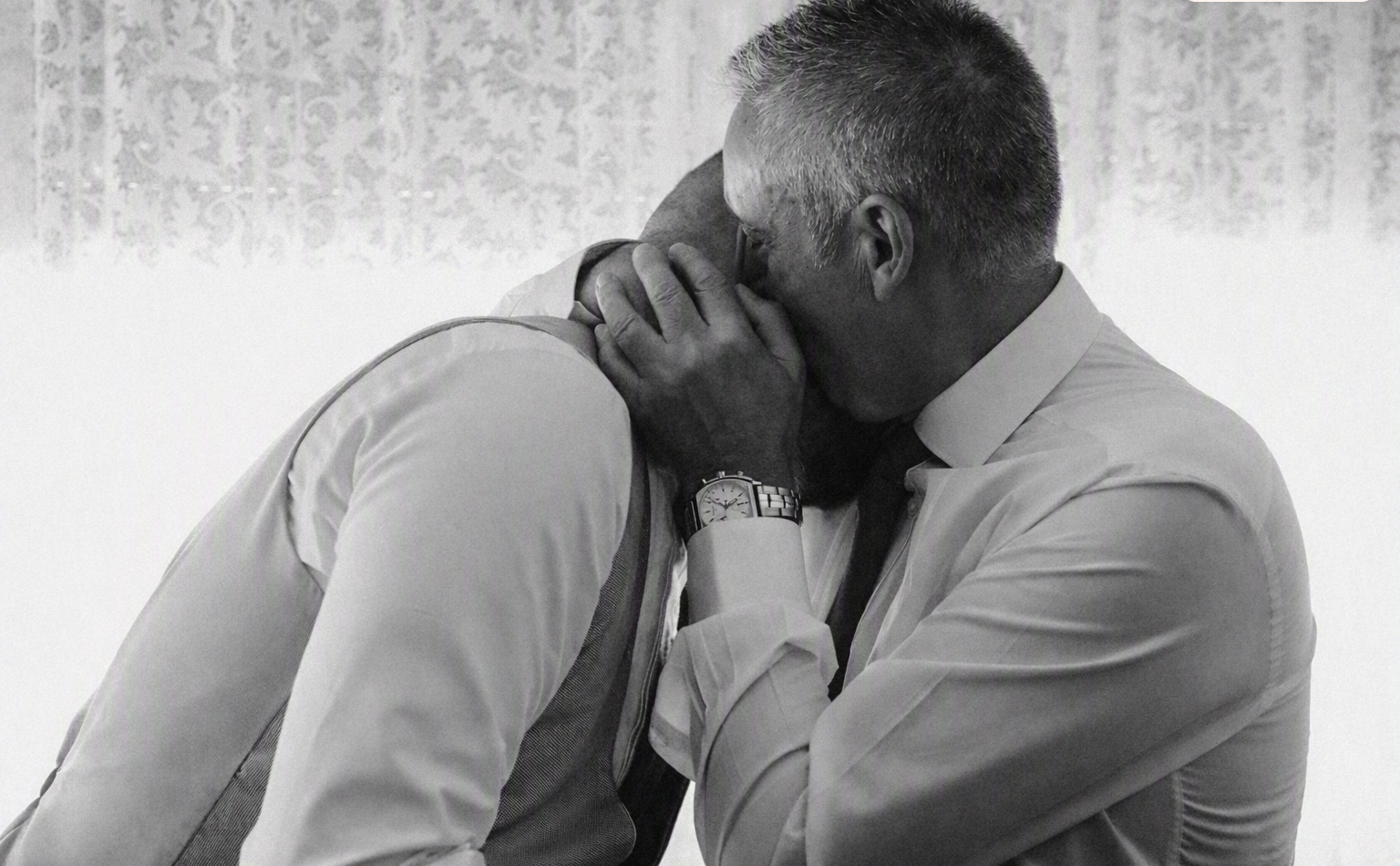
Most guides about preserving a parent's memory start from the same assumption: that you only loved them, cleanly, and now you simply miss them. That is not always true. Some parents are harder to remember than that. They were the person who raised you and also the person who hurt you, sometimes in the same breath. Losing someone like this rarely looks like the movies make it look.
If you are trying to preserve the memory of someone like this, here is what actually helps.
Stop trying to resolve the contradiction first
You do not need to decide, once and for all, whether your parent was "good" or "bad" before you are allowed to remember them. That decision is not required. Most people, looked at closely enough, contain both. The goal of preserving their memory is not to write a verdict. It is to keep the specific, textured truth of who they were — all of it, not just the parts that are easy to say out loud.
Separate the person from the single word they got reduced to
After a difficult parent dies, it is common for their whole complicated life to collapse into one word: alcoholic, absent, cruel, cold. That word is often true. It is also almost never the whole story. Try this exercise: write down the one word your family uses for them. Then write down five things that word doesn't explain — a skill they had, a joke they always made, something small they did for you that had nothing to do with the difficult parts of who they were.
Let the good and the hard sit next to each other, unresolved
You do not have to write a eulogy that forgives everything, and you do not have to write one that condemns everything either. A memorial page, or even a private page only you ever read, can hold contradiction without needing to solve it. "He taught me to play chess and he also drank most nights" is a complete sentence. It doesn't need a conclusion tacked onto the end.
Write down the specific things before they disappear
Whatever your relationship was, specific memories fade faster than general impressions. The general impression ("he was difficult") will stay with you for decades without effort. The specific memory — the exact thing he said, the smell of a particular morning, the one weekend that was actually good — disappears first, and it disappears exactly because it's complicated to hold onto. Write it down now, however it comes out, unpolished.
You are allowed to feel relief
If part of what you feel is relief rather than devastation, that is a far more common reaction than most people admit publicly. It does not mean you didn't love them. It does not disqualify you from wanting to remember them well. Sorrow and relief are not opposites; they often arrive in the same week, sometimes the same hour.
A place to put it
Stella Memoria was built for exactly this kind of memory — not the simplified, easy version, but the real one. A place where you can write the specific things, upload the handful of photographs that actually exist, and let a complicated person be remembered as the whole, particular human being they were. No template forces you into a single tone. No algorithm decides what belongs.
To send it to someone, or to post it.