Remembering a Friend When You're Not Family
Left out of the funeral or obituary? How close friends can honour a friend who died, contribute to a memorial page, and approach the family gently.

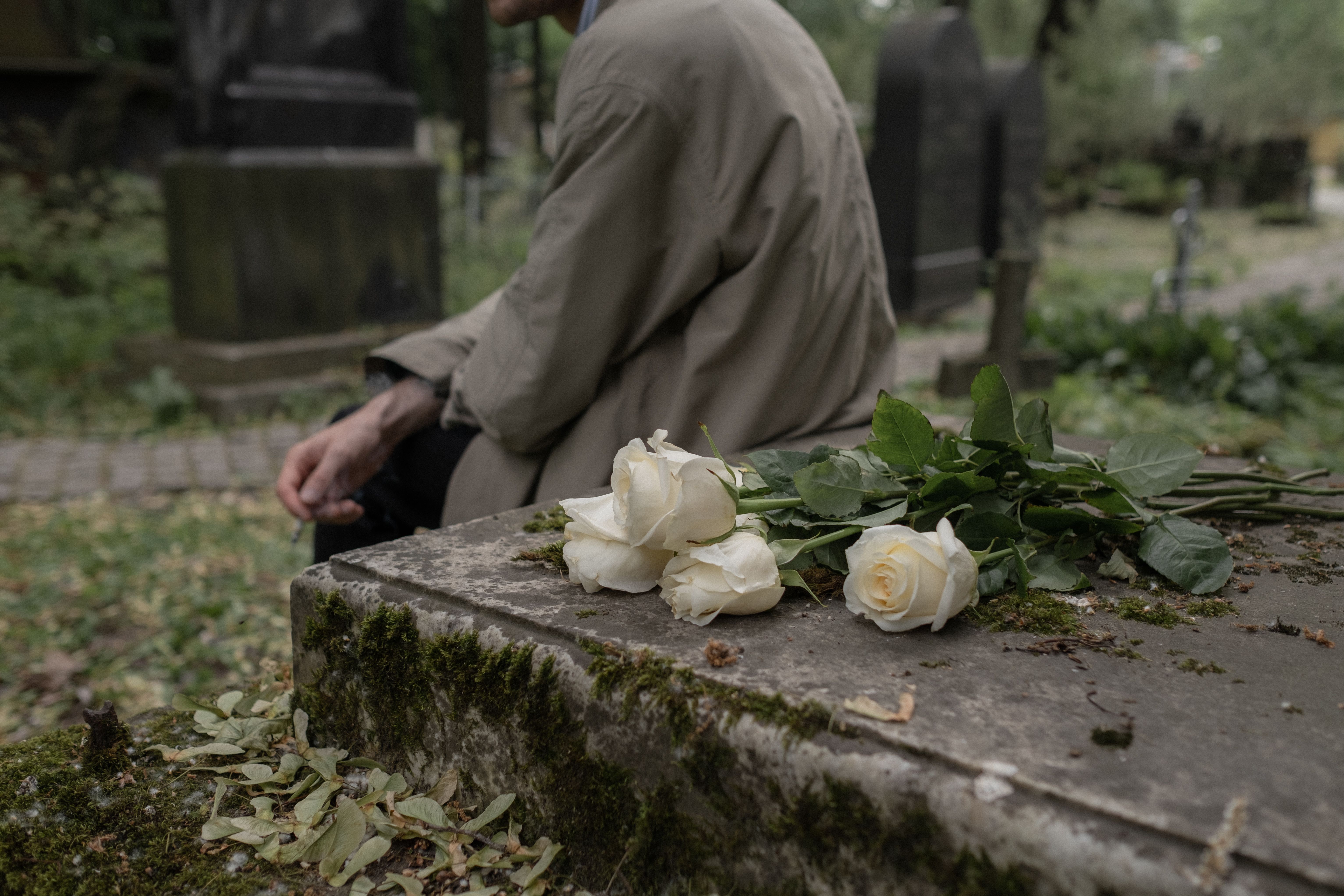
Obituaries have a grammar. Survived by his wife, two daughters, brother, mother. And then, sometimes, if you are lucky: and many friends.
Many friends. You are the person who collected him from the airport at 2am in 2011. You are the one she called when the biopsy came back, before she told anyone else. You are the one who knows he cried at every film with a dog in it, including the ones where the dog survives. And you are many friends.
I want to begin by saying this: this is a real loss. You are allowed to take it seriously even when nobody else is doing that for you.
Your loss is bigger than the paperwork says
There is a whole system built around family when someone dies: leave from work, the front row, the phone calls from the funeral home, the casseroles. Friends get a text, sometimes a week late, and a Facebook post with the service details.
Researchers have begun to notice the gap. In 2019, a study published in PLOS ONE, led by Wai-Man Liu at the Australian National University, tracked more than 26,000 Australians over time, thousands of whom had lost a close friend. The death of a friend was associated with measurable declines in physical health, mental health and social life, and the effects lasted for up to four years. The authors noted that this kind of loss is rarely treated with the seriousness it deserves, by employers, doctors or the wider community.
Four years. That is not many friends. That is someone who mattered.
If you were left out
Sometimes the exclusion is logistical: a small family funeral, a service in another country, a list made in a hurry by people who are drowning. Sometimes it is not. Families can be estranged from the life their person built, and a friend can learn of a death through a cousin's Instagram story.
Either way, it is disorienting. You may feel a flare of anger you are ashamed of. You may rehearse a speech in the shower that you will never give. That is all right. Give it in the shower. It is better there than at the wake.
Then, when you are ready, remember that the funeral is one afternoon. Remembering is the rest of your life. You do not need anyone's permission for most of that.
Things you can do on your own
You do not need an invitation to honour someone. Try one or more of these:
- Write down the stories only you know, before they begin to blur. Not polished. Just a list, with dates if you have them.
- Gather the other friends. Have a dinner at their terrible favourite restaurant. Order what they would have ordered.
- Go through your phone. Save the voice notes. Screenshot the messages that made you laugh. Back them up somewhere that is not your phone.
- Plant something, or leave something at the place you always met.
And if nobody else has made one, you can make a memorial page yourself. A friend's page often looks different from a family's: fewer baby photographs, more blurry pictures from festivals, and stories that begin "Right, so there was this one time in Lisbon." That is not a lesser memorial. It is the version of the person who lived with you.
Asking the family, gently
If you are making a page, or want to add to one that already exists, it is worth approaching the family briefly and kindly. They are exhausted. They are being asked a hundred things. Make your request easy to answer.
Something like:
"I was one of Sam's closest friends for fifteen years. A few of us would like to make a page where friends can share photos and stories. Would you be comfortable with that? We would love you to be part of it too, and we will leave out anything private."
Offer to let them contribute, or review things first. Many families are deeply moved to discover how much of their person's life happened in rooms they never saw. A mother who knew her son at the dinner table may never have met the man who ran the pub quiz for ten years. You can give her that.
And if they say no, or do not reply, you can still write for yourself. Keep the memories somewhere safe. Things change. Sometimes a family comes back a year later and asks: do you have any photos of her at university? It will matter enormously that you do.
Contributing to a page someone else made
If a memorial page already exists, you have more to offer than you think. Families often have the formal photographs and the childhood stories. What they do not have is the ordinary-Tuesday version: the private jokes, the road trips, the way the person was at work.
Add the specific thing. Not "he was a great guy", but:
"He brought me soup every day for a week after my surgery and never mentioned it again."
Add the photograph where their hair looked terrible. Add the voice note of them singing badly in a karaoke booth. These are the pieces families treasure most, precisely because they did not know they existed.
The friendship doesn't end with the funeral
You will keep reaching for them. On their birthday you will want to send a message. Passing the café, you will turn your head. When something absurd happens, the first person you want to tell will be the one who no longer answers.
Here is the part nobody warns you about: losing a friend is also losing a witness. They were the person who remembered who you were at twenty-two, who could say "you always do this" and be right. Part of your own history has gone with them. It is reasonable to miss that version of yourself too.
Keep telling them. Add a line to the page. Post a photograph on the anniversary. Friendship was never an official role; it was something you chose, over and over. You can keep choosing it.
Where your stories can live
Stella Memoria was built so that everyone who loved someone can help remember them, not only the people listed first in the obituary. A memorial page can gather the family's photographs and the friends' stories side by side, with voice recordings, messages and memories added over the years by anyone invited to contribute. If you'd like to create one for your friend, or start one together with their family, you can create a lasting memorial here.
— Alina Irene
To send it to someone, or to post it.