Your Parents Are the Only Copy of Half Your Childhood Left
There's a version of your own childhood only your parents remember. Here's why waiting to ask about it is riskier than it feels — and where to put the answers.

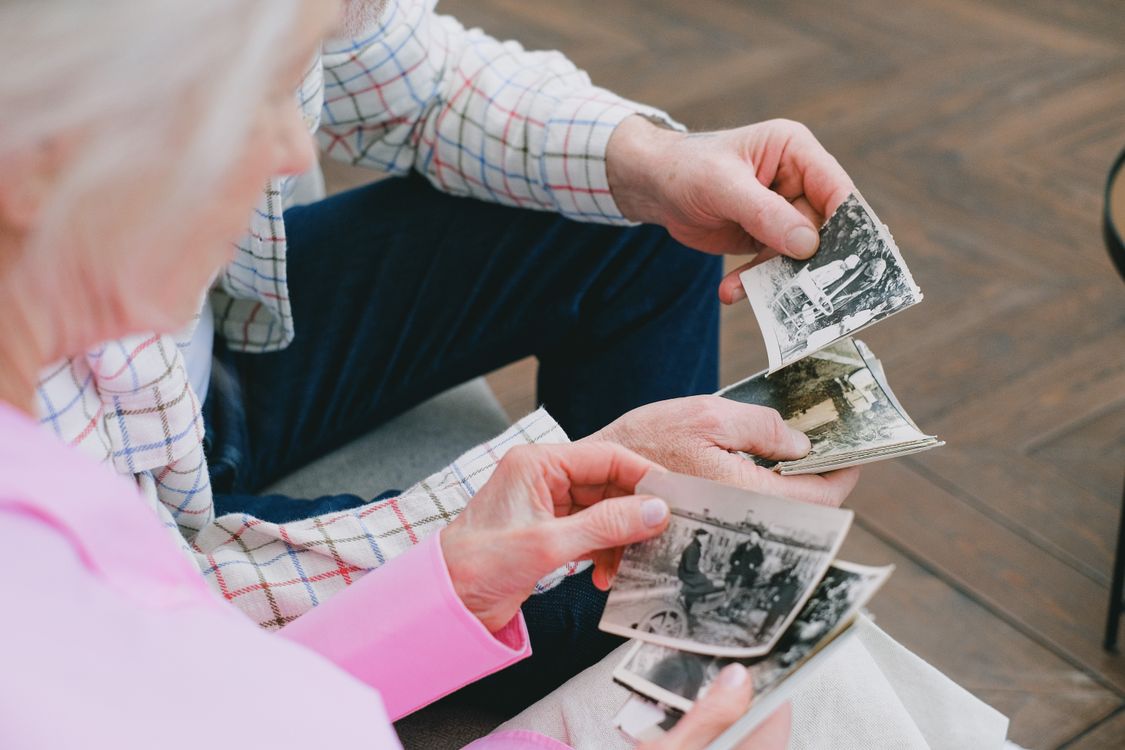
Here's a strange thing about being a child: you were there, but you don't actually remember most of it. The year you were born. What the apartment looked like before you could form memories. Why your parents picked your name, or almost didn't. The story of the day you were born — the version with the details, not the summary you've heard forty times and stopped really listening to.
Your parents are, quietly, the only working copy of that data. And nobody backs it up.
A conversation I almost didn't have
When my grandfather's memory started slipping, I told myself there'd be time to ask him things properly — not yet, not this visit, maybe the next one. Then one ordinary Sunday, half-distracted, I asked him anyway: what was our name before it got shortened at the border. He answered instantly, like the question had been sitting there waiting for someone to ask it. Then he told me a story about his own father I'd never heard in thirty years of family dinners. Fifteen minutes, maybe. I didn't record it. I didn't write it down fast enough afterward, and half of it is already gone, softened at the edges, the way things go when you don't catch them in time. What I do remember clearly is the feeling right after — somewhere between relief and dread. Relief that I'd asked. Dread at how close I'd come to not.
The window is smaller than it feels
This isn't really about death, not directly — it's about the years right before it, when memory starts to blur before anything else does. Small details go first: names of people in old photos, the exact order things happened, the punchline of a story that used to be a family classic. By the time anyone thinks to ask "wait, what was that story again?", the answer is often already softened at the edges, or gone entirely.
Nobody plans for this. You just wake up one day and realize the person who could tell you "yes, this is your grandmother in this photo, she was visiting that summer" isn't as sure as they used to be.
Why "we'll talk about it at Christmas" doesn't work
It sounds like a plan. It rarely happens. Family time gets eaten by logistics — who's cooking, who's driving, the argument about the thermostat — and the actual conversation, the real one, keeps sliding to "next time." Next time compounds. Ask anyone who's lost a parent suddenly: the thing they miss most isn't a possession. It's a question they never got around to asking.
What to actually ask, if you only get five minutes
You don't need a formal interview. Three questions do more work than you'd expect:
- "What's something about me as a kid that I wouldn't remember?"
- "What's a story from before I was born that you never really told me properly?"
- "Is there a photo you have that you've never explained to me?"
That's it. Not a full oral history. Just enough to catch what would otherwise disappear quietly, the way most things do — not in one dramatic moment, but in the slow accumulation of we'll get to it eventually.
Where the answers should actually live
A voice memo on your phone is a start, but phones die, get replaced, get wiped. Write it down somewhere, or better — somewhere shared, where other family members can add their own version of the same memory later, and where it doesn't depend on one device surviving.
---
Stella Memoria gives a family a shared place to keep exactly this — stories, photos, and voices, collected from everyone who has a piece of them, before the window closes.
To send it to someone, or to post it.