You Bought the Urn. Now What?
The urn is on the shelf. The ashes are home. But the walks, the nicknames and the stories have nowhere to go yet. What to do in the weeks after your pet comes back.

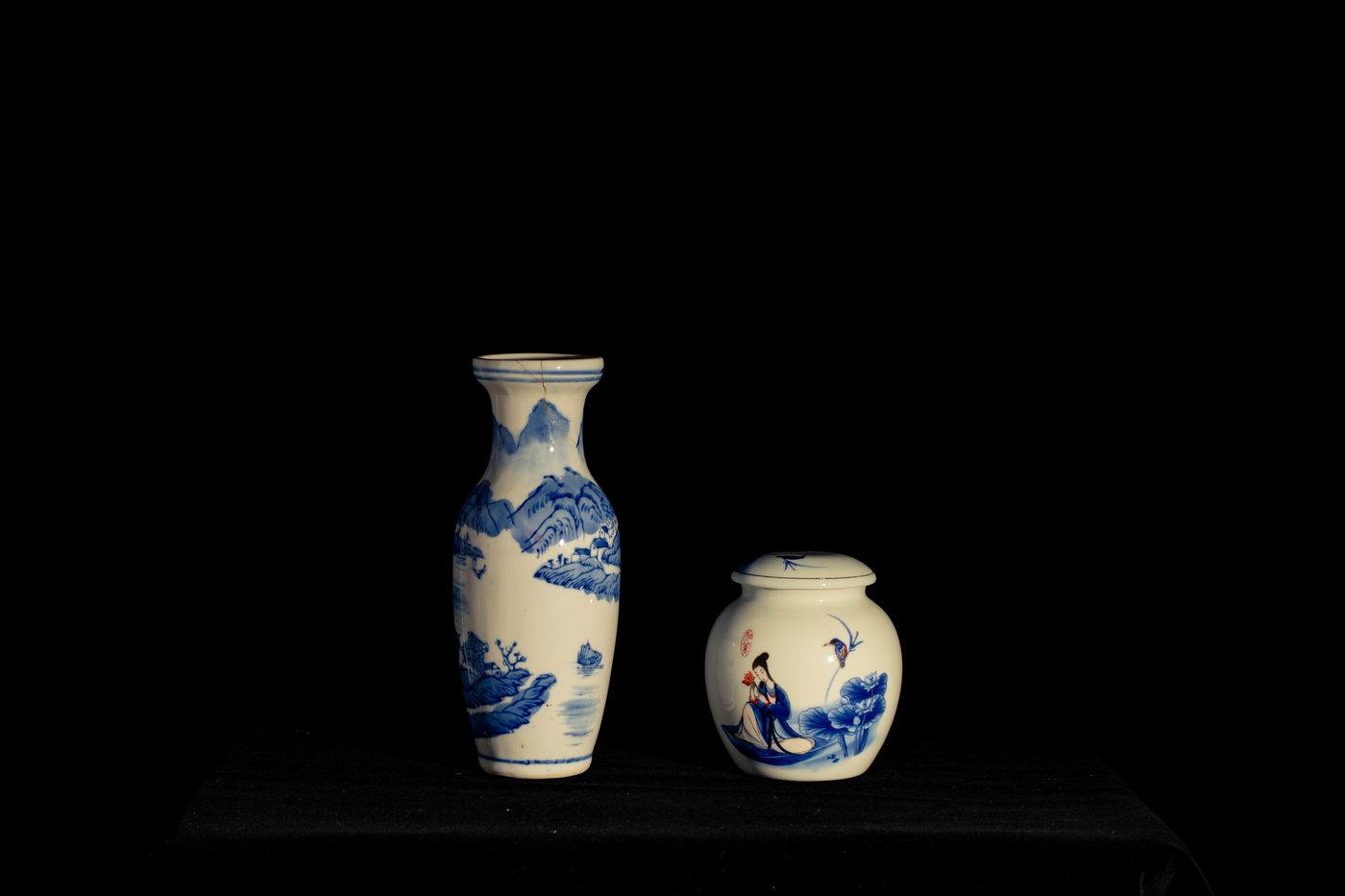
You chose it carefully. Maybe it was the plain wooden box from the crematorium, maybe the ceramic one with the paw print you found online at two in the morning. Either way, it's on the shelf now, or on the windowsill where the light comes in, and it holds exactly what it was made to hold.
And then, a week or so later, you notice something odd. The urn is there. But the dog isn't in it. Not the dog you actually knew, anyway.
What the urn is for
The urn matters. It is not a lesser choice, and anyone who tells you it's "just a container" has never carried one home on their lap in the passenger seat.
The psychiatrist Vamık Volkan wrote about what he called linking objects: things people keep after a death that act as a bridge to the one who is gone. A watch, a coat, a tin of buttons. The urn is the ultimate linking object. It says: they were here, they were real, they came home.
But a linking object does one job. It holds a presence. It doesn't hold a story.
What the urn can't hold
It can't hold the way she tilted her head when you said the word "walk", even in the middle of a sentence about something else.
It can't hold the nickname that started as a joke and became his real name, so that the vet's records say "Maximilian" and nobody has called him that since the first week.
It can't hold the neighbour's story. You know the one: "He used to come and sit by our fence every afternoon at four. We thought you knew." You didn't know. You know now, but only because she told you in the street, and by next spring you'll have forgotten the details.
It can't hold the video of her sliding across the kitchen floor on the day you got the new tiles. That's on your phone. Your phone will be replaced in two years. The video might make the move. It might not.
And it can't hold the other people. The urn is on your shelf. Your brother, who walked him every Sunday, doesn't have a shelf. Your daughter at university doesn't have a shelf. They loved the dog too, and they have nothing.
The next step, in plain terms
Once the urn is home, most people feel they've "done" the memorial. And that's fine for the first weeks. But if you want the dog you actually knew to still exist in ten years, somewhere outside your own memory, the next step is simple: gather the stories while people still remember them.
Write the list. Ten minutes. The strange habits, the words she knew, the things he was afraid of. Not a tribute. A list.
Ask for other people's stories. Send one message to everyone who knew the animal: "What's one thing you remember about her?" You'll get answers you didn't expect, and some of them will make you laugh out loud in the supermarket.
Collect the bad photos and the short videos. The blurry ones, the badly lit ones. They look like life, not like a portrait.
Then put all of it in one place that other people can reach and add to, and that doesn't depend on your phone.
A reader named Claire wrote to me about her cat:
"Pepper came back from the crematorium in a little white box with her name printed on a card. I put it on the bookshelf, between the cookbooks, because that was where she used to sleep, squashed between Delia Smith and a dictionary. For a month I thought that was enough. Then my son, who's at university in Glasgow, rang me and asked if I still had the video of Pepper stuck in the Christmas tree. I didn't. It had been on my old phone. I cried more about that video than I had about the box. That weekend I asked everyone in the family to send me whatever they had of her. My mother had a photo I'd never seen, Pepper asleep on her handbag at my wedding. My son still had the Christmas tree video. He'd saved it himself, years ago, because he thought it was funny."
Where the box and the page meet
That's why Claire put everything on Stella Memoria: the photos, the Christmas tree video, and the list she wrote the night her son called. Her mother added the wedding photo. Her son added a note about Pepper sitting on his homework.
The page has its own permanent address, which you can print as a small QR code. Some families stick it on the bottom of the urn, or on a little card next to it, or on the garden stone. So the box on the shelf quietly points to everything it can't hold. A grandchild who picks it up in twenty years and asks "who was this?" can find the answer with a phone.
What you can do this week
If the urn is already home, you've done the hardest part. You brought them back. Now do the easy part, while it's still easy: ask everyone for one story, write your list, and put it all somewhere that doesn't live only on your shelf, or only in your phone. The urn keeps them with you. The stories keep them with everyone else.
To send it to someone, or to post it.