The Phone That Wouldn't Unlock
Locked out of a parent's phone after death: what digital estate planning solves, what it doesn't, and why unlocking an account is not the same as remembering someone.
The Phone That Wouldn't Unlock
"My mother-in-law died on a Tuesday. By Thursday, we needed to get into her phone — not for anything dramatic, just to call her insurance company, which had texted a verification code to a number none of us could access any other way.
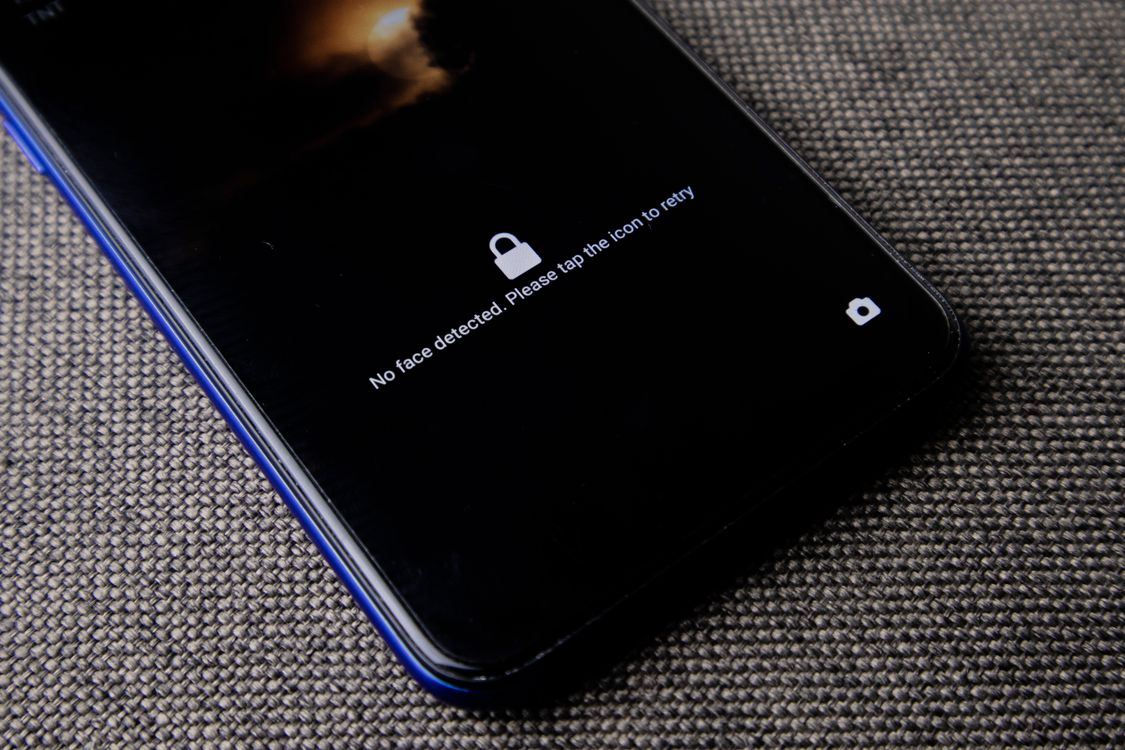
She had Face ID. She was gone. The phone didn't know the difference between "asleep" and "gone forever" — it just waited for a face that would never look at it again.
We spent eleven days locked out of a six-inch piece of glass that held her contacts, her last messages to her sister, three hundred photos of her garden, and the only working phone number for the utility company she'd been arguing with for a month. Apple's process for next-of-kin access exists, but it wants a death certificate, a court order in some cases, and patience nobody grieving has.
Here's what nobody tells you in the first week: the passwords don't die with the person. They just go silent. Every account she ever logged into is still sitting there, waiting for a password that existed only in her memory — and maybe in a sticky note she meant to move somewhere safer, someday.
I keep thinking about the moment I finally got into her email, almost three weeks later, using a recovery process her sister remembered from a conversation years earlier. The inbox opened and there were 4,000 unread messages, and somewhere in the middle of them, an email she'd started writing to her granddaughter and never sent. I sat there for ten minutes before I could read past the first line. It wasn't the big things — the bank, the insurance — that broke me. It was finding a draft she never finished, proof that she'd meant to say something and just ran out of time. I didn't feel like I was trespassing. I felt like I was the last person who would ever hear her finish a sentence.
Researchers are only now catching up to how common this is. A 2026 study out of Carnegie Mellon found that most people think about digital access after death in painfully simple terms — either the family gets everything, or they get nothing — and almost nobody has actually set that choice up in advance. The tools exist now: Apple's Legacy Contact, Google's Inactive Account Manager, emergency-access features rolling out across password managers. Almost nobody uses them, because nobody wants to sit down and plan for the day their phone outlives them.
If you want to see exactly where that leaves you — on Facebook, Instagram, or Google, specifically — we built a small, honest tool for it: What Actually Happens to Their Accounts.
We didn't get her passwords. We got fragments — a recovered email, a bank statement mailed to the house, a friend who happened to remember one login. What we didn't get was a place to put any of it together. No single spot where her contacts, her unfinished email, her last voicemail, and the people who loved her could exist in the same place, without needing a password at all.
That's the part digital estate planning doesn't solve. Even if every account is unlocked, unlocking isn't the same as remembering. A password manager gets you into an account. It doesn't get you a place where the people who miss her can actually gather."
We don't realize it, but the digital world of someone who has disappeared — their ideas written down somewhere, the photos they took of a moment that struck them long enough to capture it: a flower, a child's smile, a sleeping cat — all of it starts to disappear too. And all of it is testimony to the inner universe of someone we think we knew.
That's the gap no password manager fills: not access, but a home — one place built to keep what someone leaves behind, together.
Related articles
We Didn't Know the Password. We Never Got the Photos Back.
Thousands of family photos, trapped behind a passcode nobody wrote down. It happens more than you'd think — and there's no customer support line that fixes it.
The Only Photo of Me and My Mother at Five Years Old Is Gone
A five-minute mistake, and one photograph, gone for good. Here's what it taught me about the difference between having a memory and actually keeping it.
Your Parents Are the Only Copy of Half Your Childhood Left
There's a version of your own childhood only your parents remember. Here's why waiting to ask about it is riskier than it feels — and where to put the answers.