The Coat I Almost Gave Away
A folded grocery list in a coat pocket, two years after he died. The objects we almost give away are often the last place their handwriting survives.

The Coat I Almost Gave Away
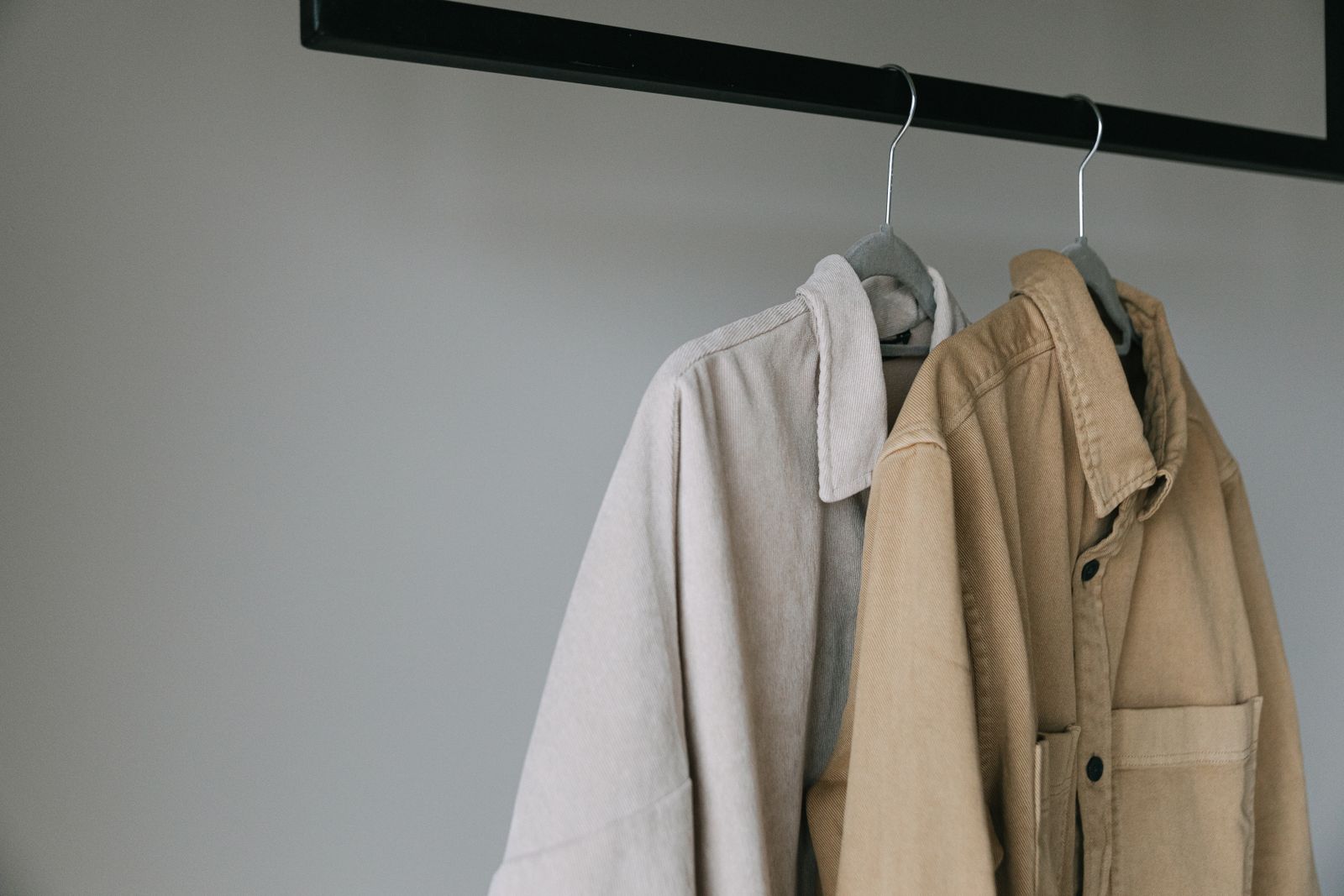
It sat in the hallway closet for two years. My father's winter coat — heavy, a little too big for him even when he bought it, the kind of coat you keep because it's practical, not because it means anything. When I finally decided to donate it, I checked the pockets out of habit.
There was a folded piece of paper in the inside pocket. A grocery list, in his handwriting, half in English and half in the language he only spoke with his own mother. Milk. Bread. Something I couldn't translate. And under it, not part of the list at all — a single line: "ask her about the garden before I forget to ask."
I don't know who "her" was. I don't know what garden. I never got to ask him, and now the only person who might have known is also gone. I stood in that hallway for a long time, holding a coat I'd almost given to a stranger, holding the last unfinished thought my father ever wrote down.
I ended up keeping the coat. Not to wear — it still doesn't fit anyone in the family — but because I couldn't donate the only physical thing that still had his handwriting on it, half-finished, mid-thought, exactly the way he left it.
This isn't a rare story. Going through years of people talking online about the objects they kept from someone they lost, the same pattern shows up again and again, told by strangers who've never spoken to each other: an object gets overlooked for months, sometimes years, and then it suddenly becomes the thing that undoes you — not because it was meaningful when the person was alive, but because the meaning arrives later, all at once, usually when you weren't braced for it.
What strikes me about these stories is how unrelated the objects are, and how identical the moment feels. A jacket. A voicemail nobody deleted. A note in a coat pocket nobody expected to find. Nobody plans for the grocery list that stops you cold.
I didn't need to solve what he meant. I just needed a place to put it down — somewhere it could sit, unresolved, without needing to be carried anymore. That's what finding it finally gave me: not an answer, just rest.
Related articles
The Phone That Wouldn't Unlock
Locked out of a parent's phone after death: what digital estate planning solves, what it doesn't, and why unlocking an account is not the same as remembering someone.
The Only Photo of Me and My Mother at Five Years Old Is Gone
A five-minute mistake, and one photograph, gone for good. Here's what it taught me about the difference between having a memory and actually keeping it.
Your Parents Are the Only Copy of Half Your Childhood Left
There's a version of your own childhood only your parents remember. Here's why waiting to ask about it is riskier than it feels — and where to put the answers.