How to Record Your Parent's Stories Before Dementia Takes Them
Dementia takes the stories and the voice while your parent is still here. Gentle ways to record them together — from a daughter doing it, badly and in time, with her own mother.

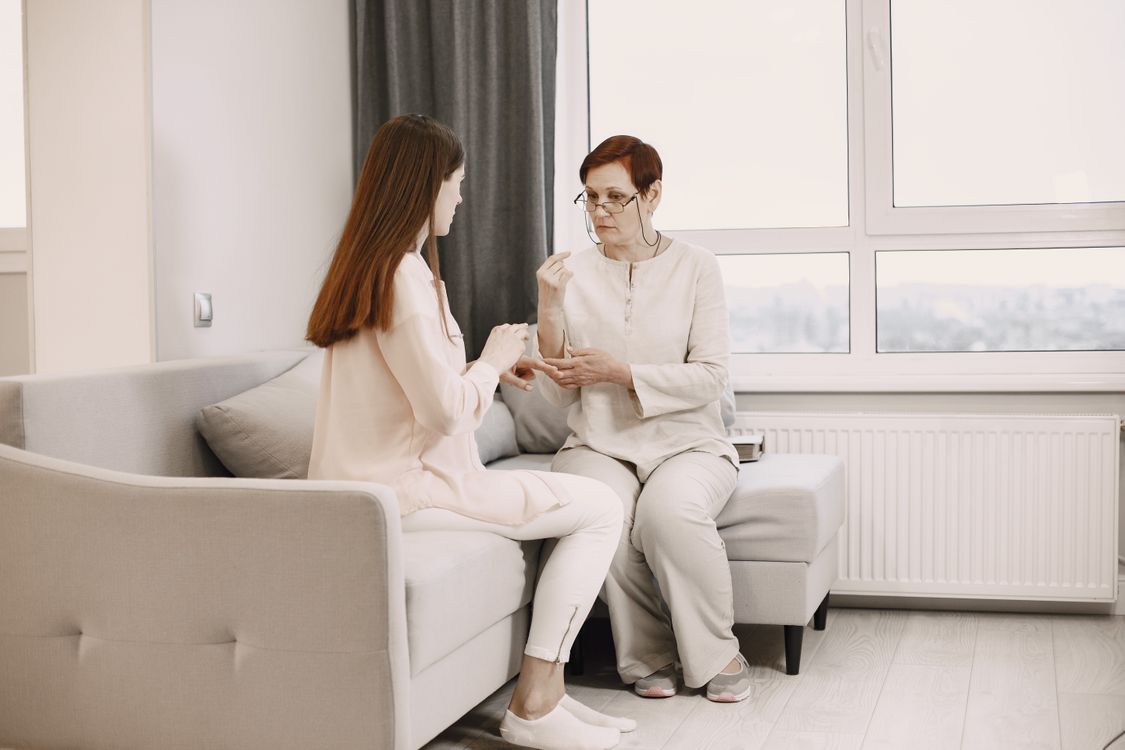
For a long time I meant to and didn't.
That's the honest start of this. My mother's memory had begun to loosen — a name here, the end of a story she'd told a hundred times — and I knew, the way you know a thing without letting it land, that I should be writing it down. Recording her. Something. I kept meaning to. There was always a more urgent afternoon, and I have never once in my life been the woman who does the wise thing on time.
What finally moved me wasn't noble. It was a Tuesday when she couldn't find the word for spoon, reached for it, and it wasn't there — and I watched her face understand that it wasn't there. That night I lay awake counting all the other words. The ones further back. The ones I'd assumed would keep.
So here's what I've worked out since. Not a system — God knows I am not a system person — just what actually happened when I tried, including the parts I got wrong.
Start while it's still ordinary
My first attempt, I sat her down like a documentary crew. Tell me about your life, Mum. She froze. Of course she froze. It's an enormous, impossible question, and some part of her knew she was being examined and coming up short.
What works is smaller and sneakier. What did your mother cook on Sundays. Which was the cold bedroom in that house. She goes somewhere then, and talks — and it isn't the facts I'm after, I have the facts. It's the sound of her having them. The particular way she leans on certain words. That's the part that's leaving, and no photograph on earth holds it. A voice memo on any phone will do. She forgets it's running after about a minute, which is exactly the point.
Follow the good days
It isn't a straight line down — which took me a shamefully long time to believe. There are afternoons when more of her is in the room and afternoons when less is, and no way to book the good ones in advance. So I've stopped trying. I keep the phone where I can reach it, and on the good days I let it run. Five minutes. A story. Whatever floats up. I'm gathering her the way you bring the washing in before the rain: quickly, gratefully, not in any order.
Do it together, out loud
Here's the thing nobody warned me would be good: the recording turned out to be almost beside the point.
Being asked — being treated as a woman with a life worth hearing, and not a patient to be kept comfortable and quiet — does something to her. She sits up. One afternoon she told me the same story three times, and I laughed all three, and two of those times I meant it. An old photograph helps. A song helps more than seems fair; she'll have mislaid my name and still know every word of it. This is the part the leaflets call reminiscence, and I finally understand the word. For an hour she comes back to herself. The recording is a side effect. The hour is the whole point.
Write down what only you carry
Some of it won't come from her, and this part you do alone, later, in the quiet, feeling slightly foolish. The phrases only she uses. The way she says my name — said my name, on the days it still comes. How she takes her tea. The thing she says leaving a room. These blur faster than you'd believe, and they were never written down anywhere but in you.
Somewhere to keep it
Don't try to save all of her at once. You can't, you'll exhaust yourself trying, and then you'll quit. Save one afternoon. Then, if you can, another. When you have a few — a recording, some stories, the photographs that go with them — they need somewhere better than a phone you'll replace in two years. That's what I use Stella Memoria for: a place to gather her, in her own words, a little at a time, kept for the family who'll want her too. I'm not building a memorial. My mother is in the next room, asking what's for lunch. I'm just holding on to who she is, while there's still so much of her here to hold.
Somewhere to keep it
Stella Memoria is a page in memory of someone you loved — their photographs, their story, and what other people remember about them, kept together in one place. You write it a little at a time, and it stays online.