A House Made of Remembering: What a Good Memorial Page Looks Like
Memorial website examples, section by section: the story, photos, family memories and candles that make a memorial page feel like the person it honors.

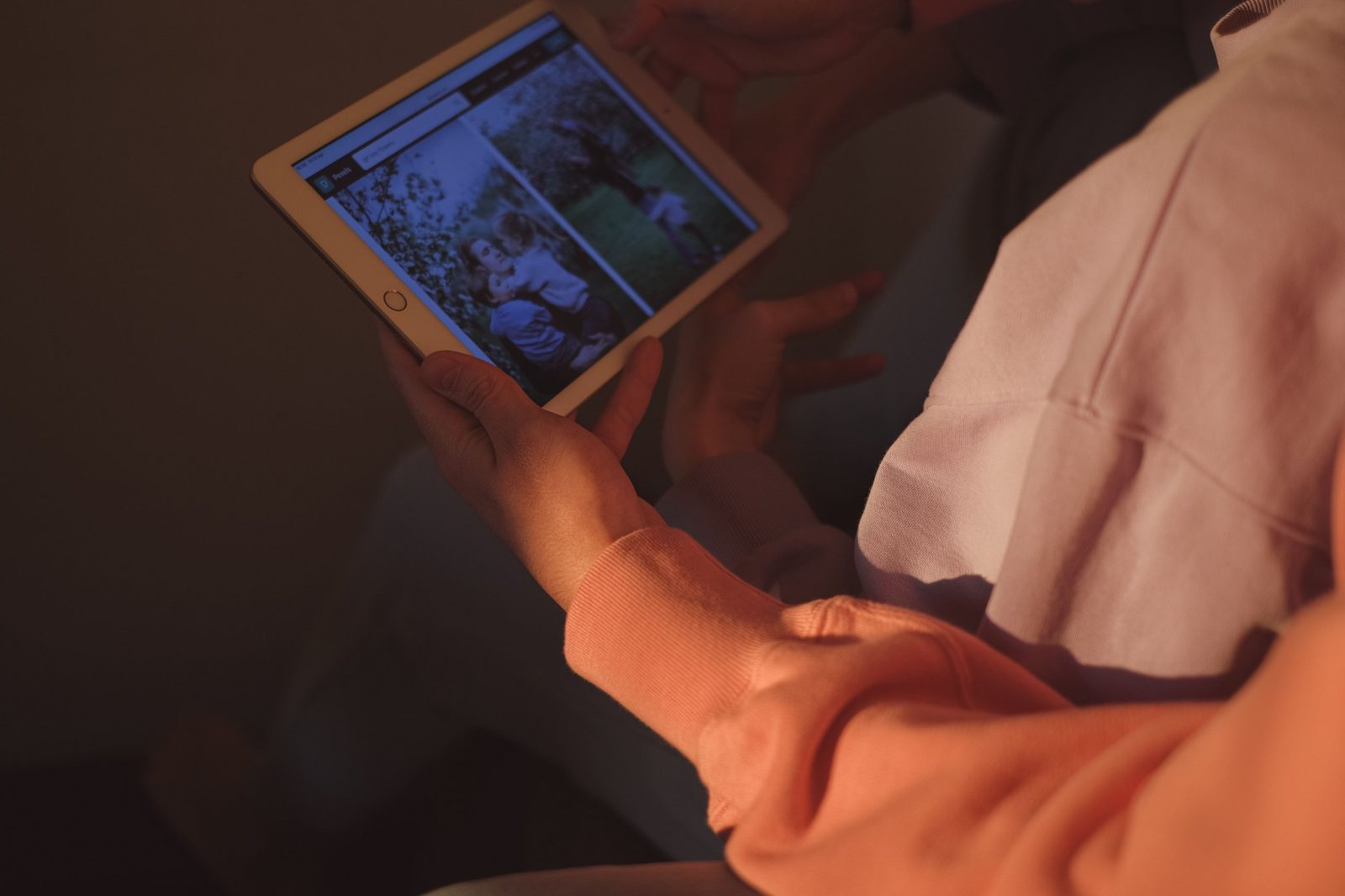
There is a shoebox in almost every family. Ours lived on the top shelf of the hall closet, under a bag of Christmas lights that nobody could untangle. Inside: photos with dates written on the back in three different hands, a birthday card from 1974, a bus ticket, a recipe for lemon bars with one ingredient crossed out and replaced in pencil.
When my uncle died, we took the box down and spread it across the dining table, and for a whole evening the room was loud with “Oh, look at his hair” and “Who is that woman? Nobody knows? Really?”
That evening is, I think, what a good memorial page is trying to be. Not a monument. A dining table where everyone can lean in.
What memorial website examples have in common
If you look at enough memorial pages, you start to notice that the ones that move you are not the fanciest. They are the ones where you can feel a particular human being. You can tell that she grew tomatoes badly and loved them anyway. You can tell he was the friend who always showed up with jumper cables.
The pages that feel empty tend to stop at the dates. Name, birth, death, one formal photo. Correct, and somehow lonely.
The psychologists Dennis Klass, Phyllis Silverman and Steven Nickman described something in the 1990s that many families already knew: people do not simply let go of those who die. They keep an ongoing relationship with them, which the researchers called “continuing bonds.” Telling their stories, looking at their photos and speaking about them are some of the ordinary ways that bond is kept. A good memorial page is, quietly, a place built for exactly that.
A memorial page example, section by section
Here is the anatomy of a memorial page that tends to work, whatever site you use. Think of it as rooms in a small house.
1. The front door: name, dates and one good photo. Choose a photo where they look like themselves, not necessarily their most formal one. One reader, Paul, picked a picture of his mother squinting into the sun with a garden hose in her hand. “That’s her,” he said. “The church portrait is somebody’s idea of her.”
2. The life story. A few paragraphs, or a longer piece, about where they came from and what they cared about. It reads best when it is written the way you would talk about them at the kitchen table, with names of places and small details. The structure of a good tribute works here too: an image, a few facts, stories that show their character, and what they left behind.
3. The photo gallery. This is where the shoebox goes. Childhood pictures, the awkward teenage years, weddings, babies, the blurry ones from holidays. Some families arrange them by decade, which lets visitors walk through a life in order.
4. Video and voice. A short clip of them laughing, or a voice message that says nothing important. People often underestimate how much a voice matters until they cannot hear it anymore. There is a guide here about forgetting someone’s voice if that thought has been visiting you.
5. Memories from family and friends. This is the section that turns a page from a notice into a conversation. A cousin adds the story of the canoe trip. A former coworker writes about the time he covered her shift. A neighbor posts a photo nobody in the family had ever seen. Each person holds a different piece.
6. Candles, flowers and prayers. Small gestures for the people who do not have a story to write but want to say “I was here, I thought of you.” On anniversaries and birthdays, these little lights add up.
Looking at an example: the Ann Miller page
If you would like to see these pieces sitting together rather than read about them, the Ann Miller demo page is a complete example. It has a life story at the center, a gallery of photos from different parts of a life, memories added by family and friends, and a place where visitors leave candles and flowers.
What is useful about looking at a finished example is not copying it. It is noticing the proportions. The story is long enough to know her, short enough to read with a cup of coffee. The photos do most of the talking. And the memories from other people give it that dining-table noise, many voices around one person.
Small choices that make a page feel alive
A few things that families often find helpful once the basic sections are in place:
- Write captions. “Mom, 1983” is fine. “Mom at the lake, refusing to admit the water was cold” is a memory.
- Leave room for others. Some families finish the life story with a line such as “There is so much we do not know. If you have a story, please add it.” People are often waiting for permission.
- Add things slowly. Few memorial pages are finished in a weekend. Many grow over months, as photos are found in attics and old phones.
- Include the ordinary. Her handwriting on a grocery list. His terrible joke. The song that was always playing in the car.
- Think about who will read it in twenty years. A great-grandchild may one day land here, curious. Names, places and small explanations will mean a great deal to someone who never met them.
If you are starting from scratch, there is also a step-by-step guide on how to create an online memorial page.
A place for all of it
The shoebox in the closet is wonderful until the closet floods, or the house is sold, or the cousin who lives three time zones away never gets to see what is in it. Stella Memoria is one place where all of that can live together: a memorial page that stays, with the story, photos, videos and voice recordings, where relatives and friends anywhere in the world can add their own memories, and where visitors can leave a candle, flowers or a prayer.
The best memorial pages are never really done. They are more like a table that stays set, with a chair pulled out for whoever comes next with a story in their pocket.
Frequently asked questions
What should be included on a memorial website?
Most memorial websites include the person’s name and dates, a main photo, a life story, a photo gallery, and a place for family and friends to share memories. Many also include videos, voice recordings, and a way for visitors to leave candles, flowers or messages.
How long should the life story on a memorial page be?
There is no right length. Many families find that a few warm paragraphs work well at first, and they add more later as memories and details come back. Specific stories tend to matter more than a complete timeline.
Can other people add memories to a memorial page?
On many memorial sites, yes, and it is often the most meaningful part of the page. Relatives and friends can add their own stories and photos, which brings in sides of the person that the immediate family may never have known.
Is a memorial website the same as an obituary?
Not quite. An obituary is usually a short public notice of a death, often with service details. A memorial website is a fuller, ongoing space for the person’s story, photos and memories, which family and friends can keep adding to over time.
To send it to someone, or to post it.